Department of State

New Jersey State Council on the Arts

Dr. Dale G. Caldwell, Lt. Governor and Secretary of State

On the Next State of the Arts

State of the Arts has been taking you on location with the most creative people in New Jersey and beyond since 1981. The New York and Mid-Atlantic Emmy Award-winning series features documentary shorts about an extraordinary range of artists and visits New Jersey’s best performance spaces. State of the Arts is on the frontlines of the creative and cultural worlds of New Jersey.

State of the Arts is a cornerstone program of NJ PBS, with episodes co-produced by the New Jersey State Council on the Arts and Stockton University, in cooperation with PCK Media. The series also airs on WNET and ALL ARTS.

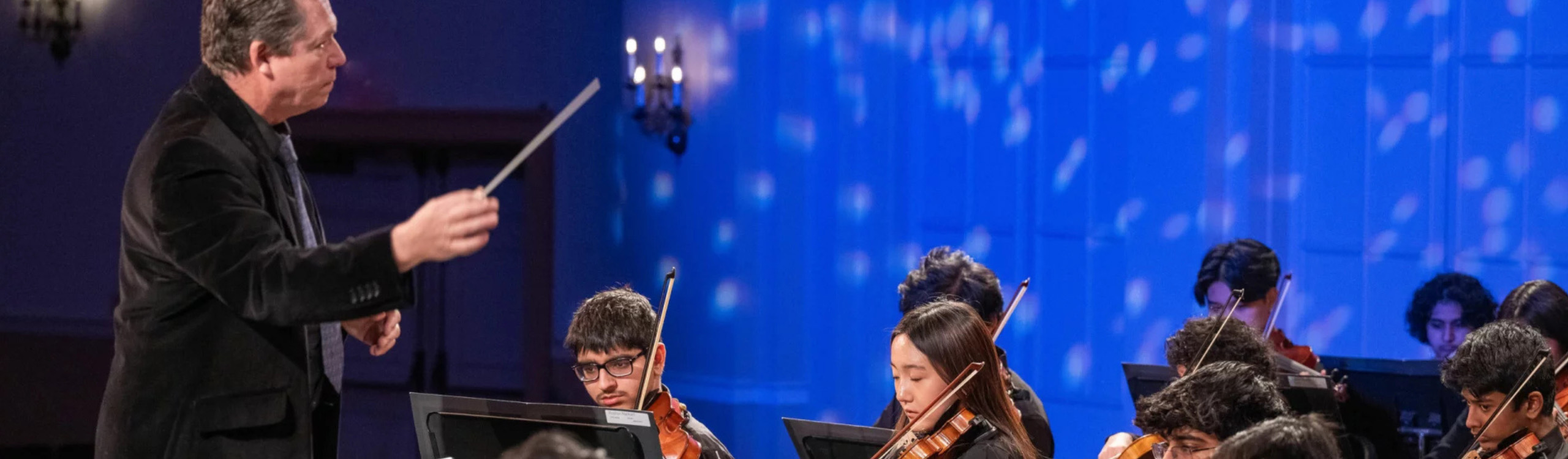
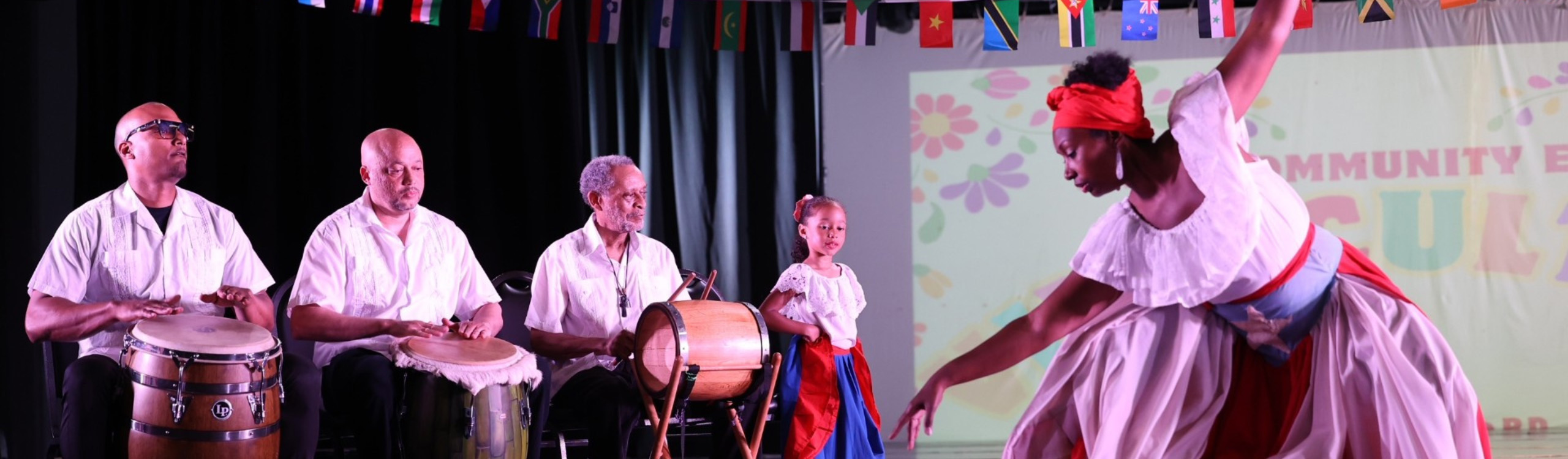
On this week's episode... New Jersey Heritage Fellowships are an honor given to artists who are keeping their cultural traditions alive and thriving. On this special episode of State of the Arts, we meet three winners, each using music and dance from around the world to bring their heritage to New Jersey: Deborah Mitchell, founder of the New Jersey Tap Dance Ensemble; Pepe Santana, an Andean musician and instrument maker; and Rachna Sarang, a master and choreographer of Kathak, a classical Indian dance form.

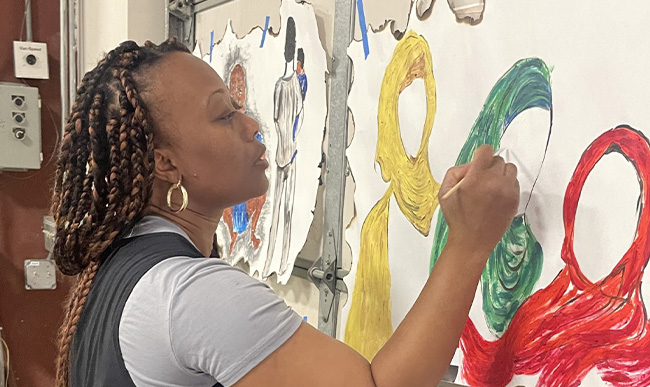
A woman painting on paper taped to the inside of a garage door

Join the Teaching Artist Community of Practice!

The New Jersey State Council on the Arts is hosting quarterly Teaching Artist Community of Practice meetings. These virtual sessions serve as a platform for teaching artists to share their experiences, discuss new opportunities, and connect with each other and the State Arts Council.

Register for the next meeting.

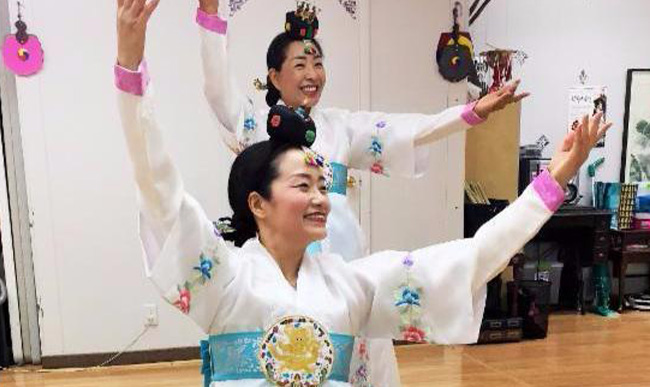
Korean dancers in traditional costume

New Jersey State Council on the Arts Grants $2 Million to New Jersey Artists through Individual Artist Fellowship Program

The State Arts Council awarded $2 million to 198 New Jersey artists through the Council’s Individual Artist Fellowship program in the categories of Film/Video, Digital/Electronic, Interdisciplinary, Painting, Printmaking/Drawing/Book Arts, and Prose. The Council also welcomed two new Board Members, Vedra Chandler and Robin Gurin.

Read the full press release.

A large crowd in an art gallery during an opening reception.

Join Us for Access Thursday Roundtables

These monthly events, presented by the New Jersey State Council on the Arts and the New Jersey Theatre Alliance, are peer-to-peer learning opportunities covering a wide range of arts accessibility topics.

View the full schedule.

%e3%81%82%e3%81%8a%e3%81%96%e3%81%8f%e3%82%89%2c%e9%98%b2%e8%a1%9b%e5%a4%a7%e5%ad%a6%e6%a0%a1%e7%89%a9%e8%aa%9e%2c%e2%80%93%2craw%2c%e3%80%90%e7%ac%ac229%e8%a9%b1%e3%80%91%2c%e3%81%82%e3%81%8a%e3%81%96%e3%81%8f%e3%82%89%2c%e9%98%b2%e8%a1%9b%e5%a4%a7%e5%ad% File

In the chapters surrounding 229, the interpersonal dynamics reach a boiling point. The introduction of new juniors and the return of mentors like Senior Sakaki challenge Kondo to mentor others while grappling with his own future as a maritime officer. The story emphasizes that while the academy is a place of rigid rules, the growth occurring within its walls is deeply personal and multifaceted.

A central theme of the series is the transformation of individual ambition into collective responsibility. Chapter 229 falls within the complex period of the protagonist’s second year, where the focus shifts from merely surviving the "freshman hell" to understanding the burden of leadership. By this stage, characters like Kondo and his rival, Hijikata, have begun to internalize the academy's core values. Hijikata’s background—marked by a family breakdown due to his brother’s repeated failures to enter medical school—serves as a poignant foil to Kondo’s pragmatic drive, highlighting how personal trauma can both hinder and fuel military resolve. In the chapters surrounding 229, the interpersonal dynamics

The narrative expertly balances the "absurdity" of academy life—such as the infamous "flying beds" and collective responsibility—with moments of deep camaraderie. These trials are portrayed not as senseless hazing, but as a necessary "crucible" designed to forge leaders capable of making split-second decisions under extreme pressure. As Kondo moves toward his third and fourth years, the series delves deeper into the specific paths of the Ground, Maritime, and Air Self-Defense Forces, reflecting the real-world specialization at National Defense Academy. A central theme of the series is the

Back
to top