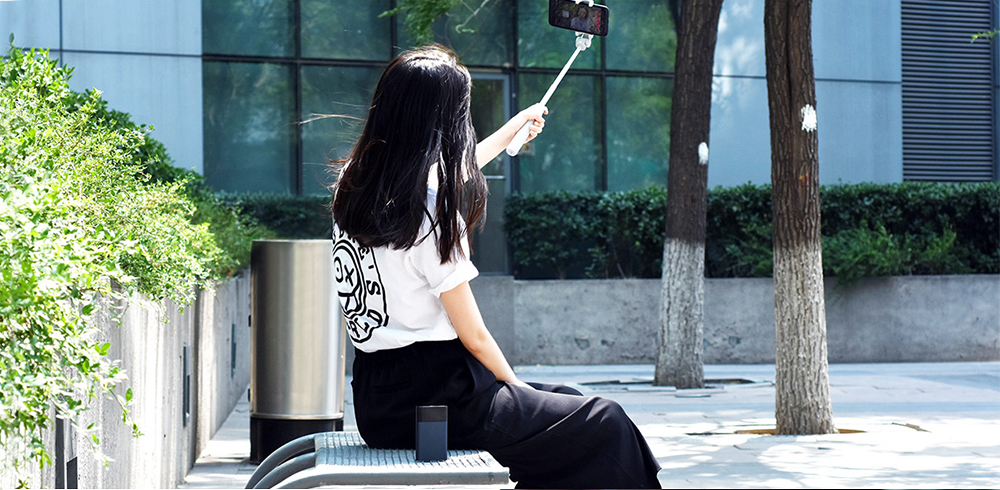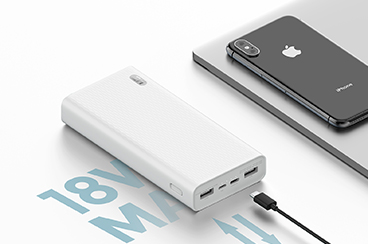

- 10000 mAh 4G Mobile Wi-Fi with Built-in Power Bank
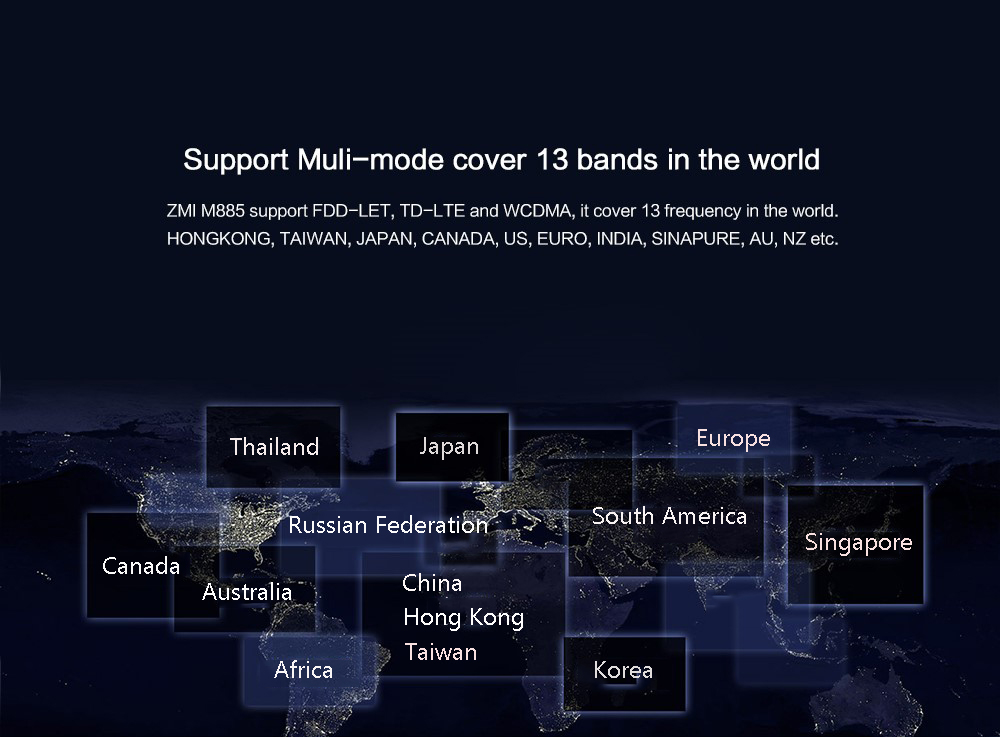
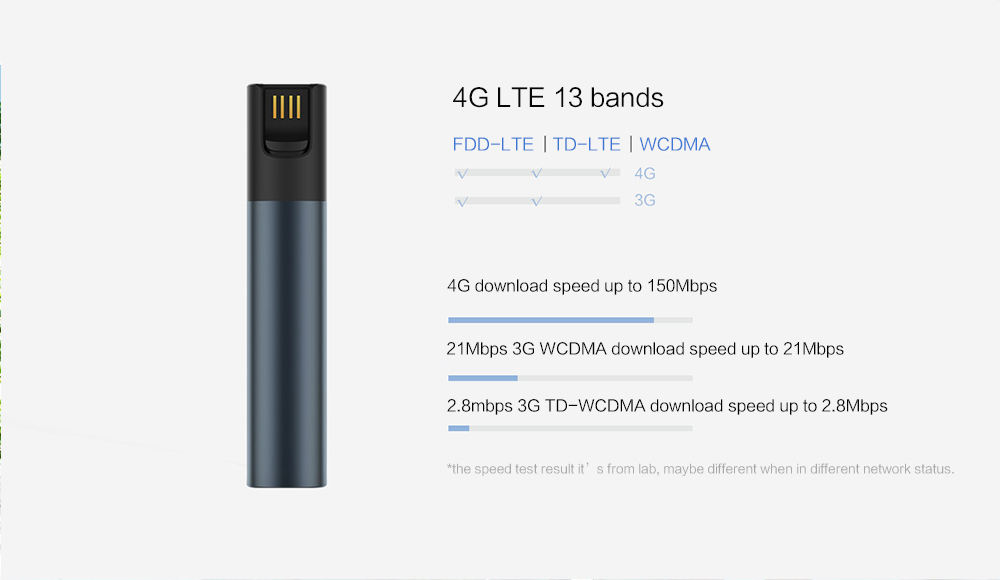
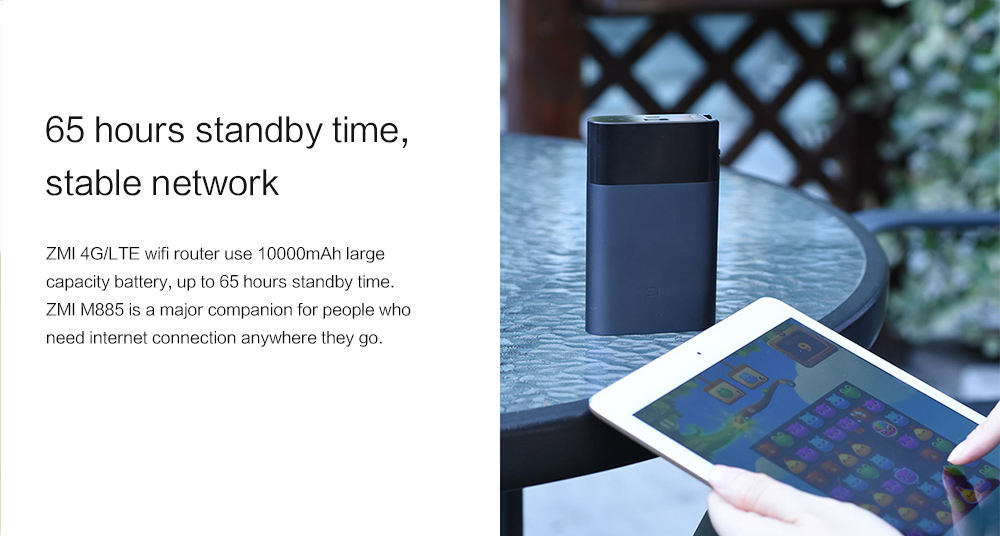
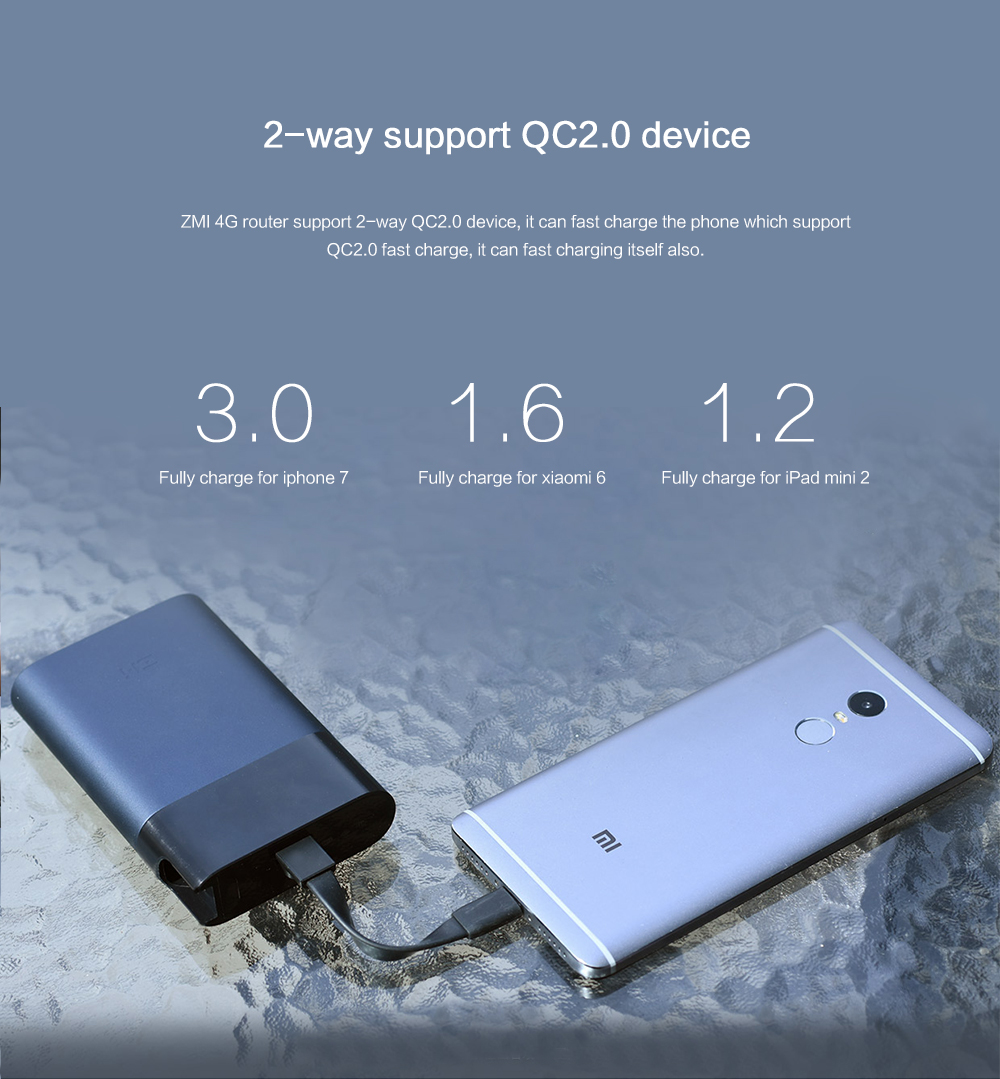
Sopport FEE/TDD/WCDMA / 10000 mAh / 65 hours standby time / Support QC2.0 fast charging
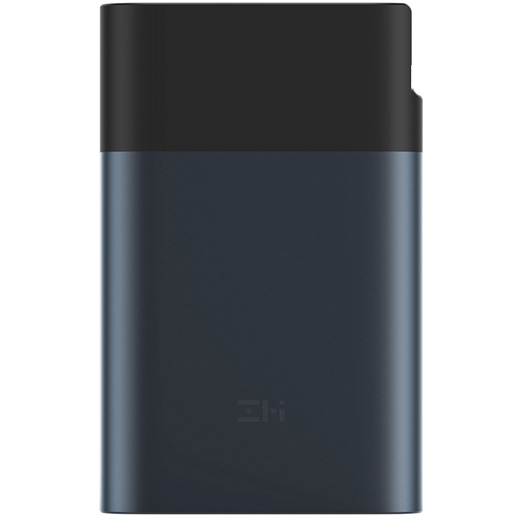
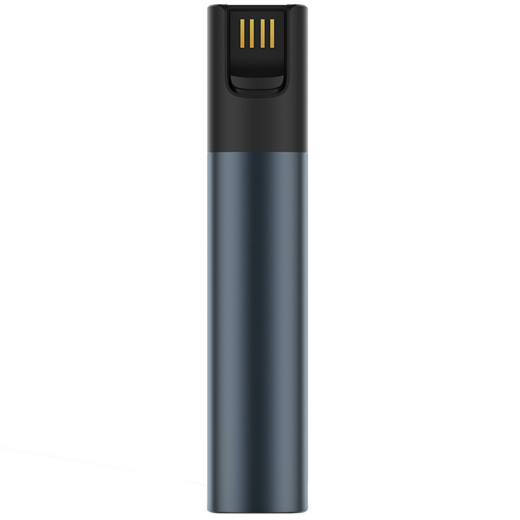
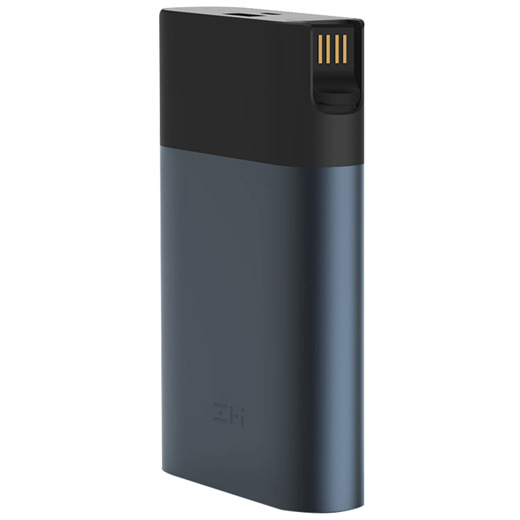
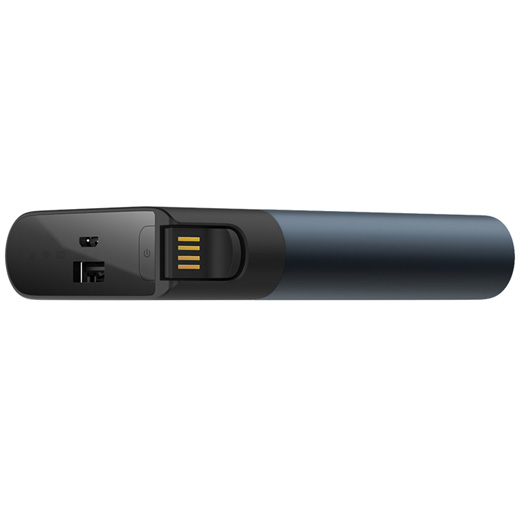
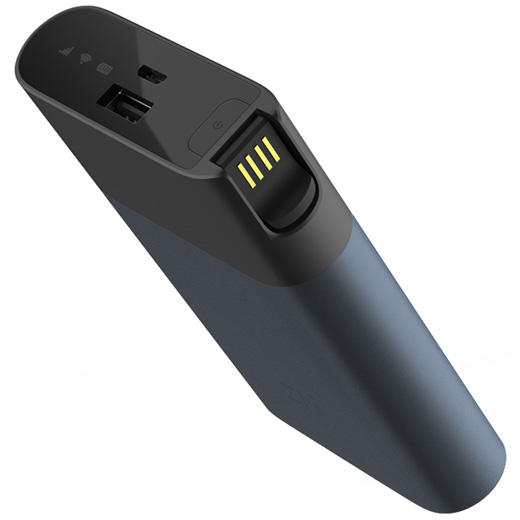
Sopport FEE/TDD/WCDMA / 10000 mAh / 65 hours standby time / Support QC2.0 fast charging
Despite their critical acclaim, both films have faced scrutiny: The Color Purple: Book vs. Movie – Supposedly Fun
In its original form, the story is told through Celie's private letters to God, providing an intimate window into her inner world—a structural choice that presents a unique challenge for filmmakers. The Color Purple YIFY
Central to all versions is the interplay of . The narrative critiques multiple layers of subjugation: Despite their critical acclaim, both films have faced
Black women are shown navigating a double layer of mistreatment—not only from the white-dominated society (exemplified by Sofia’s tragic clash with the mayor’s wife) but also from men within their own community. leaning on a cinematic
This version serves as a "reimagining" based on the Broadway musical. It incorporates stylized musical numbers to externalize the characters' hopes and traumas, offering a more vibrant and "joyous" tone than the grittier 1985 film, though some critics argue this buoyancy softens the story's necessary brutality. II. Thematic Conflict and Social Commentary
This version translated the internal monologue of the letters into external action, leaning on a cinematic, often sentimental style. It notably featured breakout performances by Whoopi Goldberg as Celie and Oprah Winfrey as Sofia, which became iconic touchstones in Black cinema.