Pearson PTE Test vs IELTS & TOEFL and their difrences
There are three major English proficiency tests, IELTS, TOEFL, and PTE. Here we are comparing the most popular English language tests.
Read moreImprove your communicative and time management skills in PTE exam with more than 10000 recent and repeated questions in a simulated format of the exam
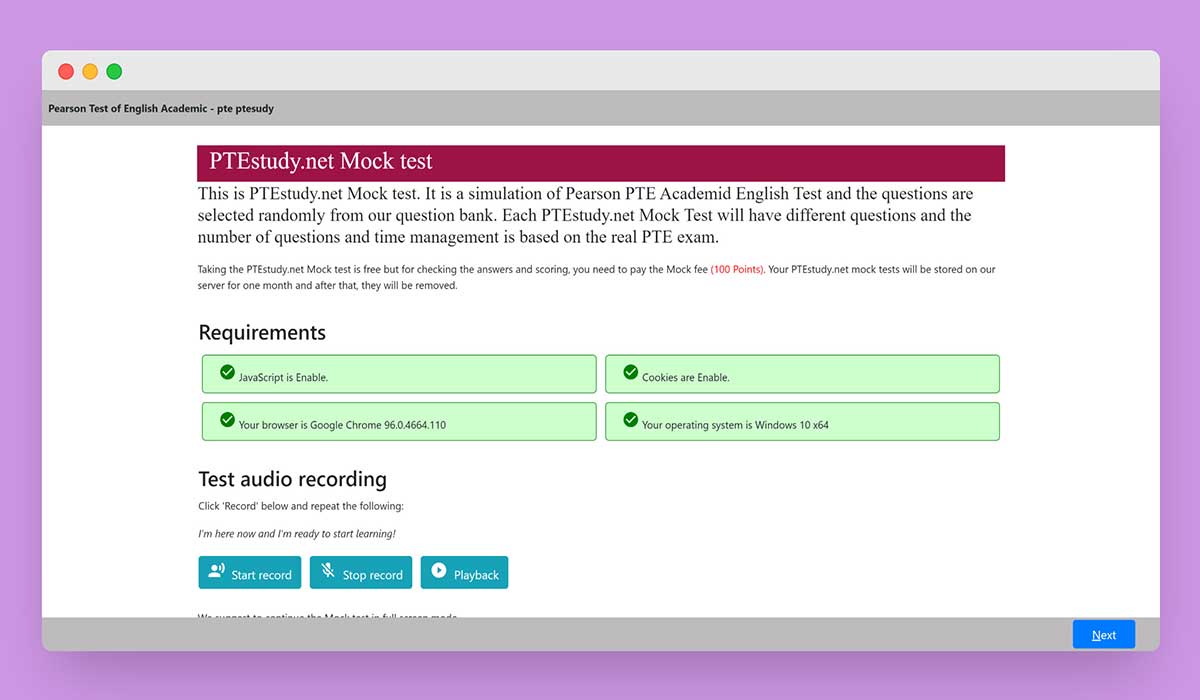
Free PracticeAchieve your desired score for your upcoming PTE Exam!! Scored Pte Mock Test will help you check your current PTE score level and identify your weaknesses.
Take PTE Mock testConsult with our PTE experts to identify your weaknesses, analyze your score and make a precise plan to start your journey to success
Read moreFollow These Tips to Improve Your PTE-A Speaking Score
Last month PTE real questions collected by test takers all around the world.
New versions of materials in all skills released continuously- available all materials for free.
Practice like in the original test format and improve your score to get +65, +79, or perfect 90.
✔ FREE Standard Mock Test
✔ FREE Optional Mock Test
✔ Simulate Pearson scoring engines
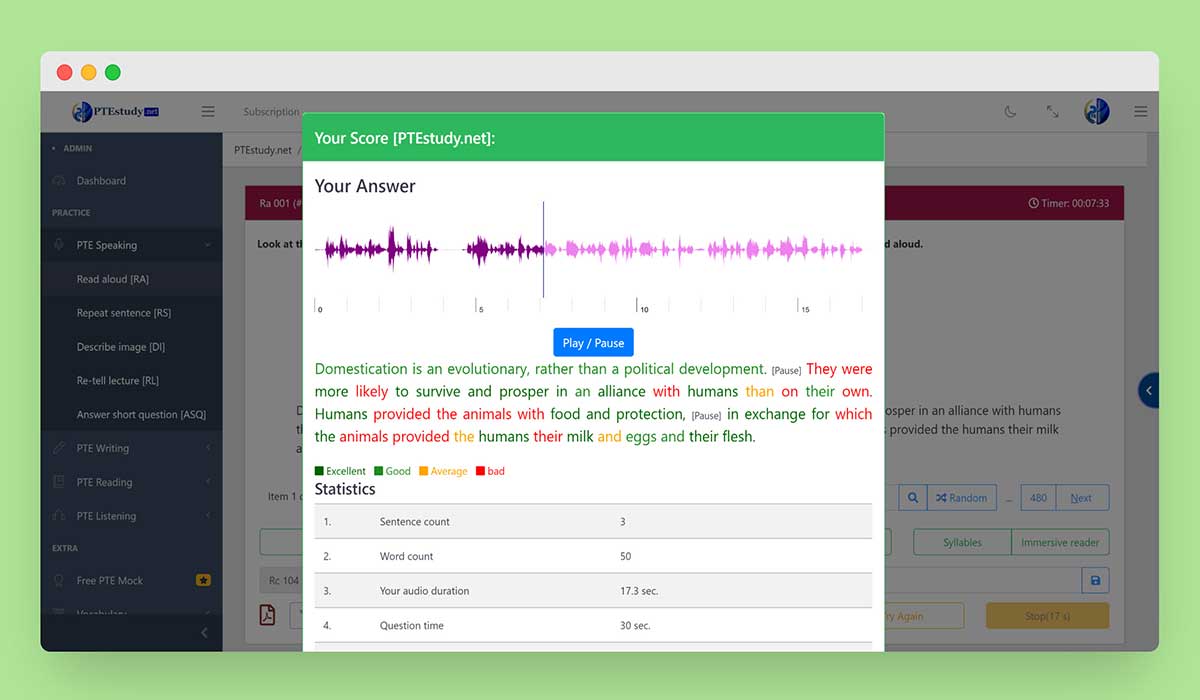
AI scoring engine gives Results according to audio responses in terms of content, pronunciation, and fluency.
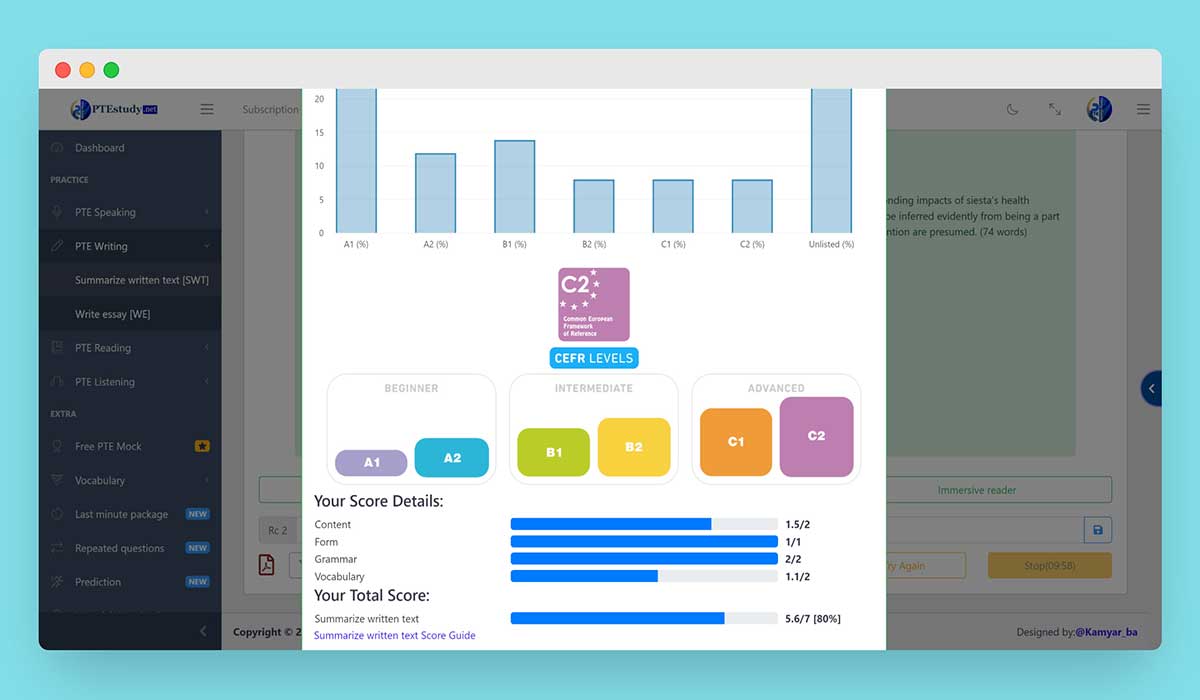
AI scoring engine gives results such as content, form, grammar, spelling, vocabulary range, general linguistic range, and development structure and coherence
We help candidates just like you to feel confident in PTE language exam, even if they’ve only just started learning. We have provided a platform for online practice and gathered real and repeated questions.
Simulate Pearson scoring engines
View Practice Score and Answer Explanations
Evaluate speaking pronunciation and fluency
Check writing grammar and spelling
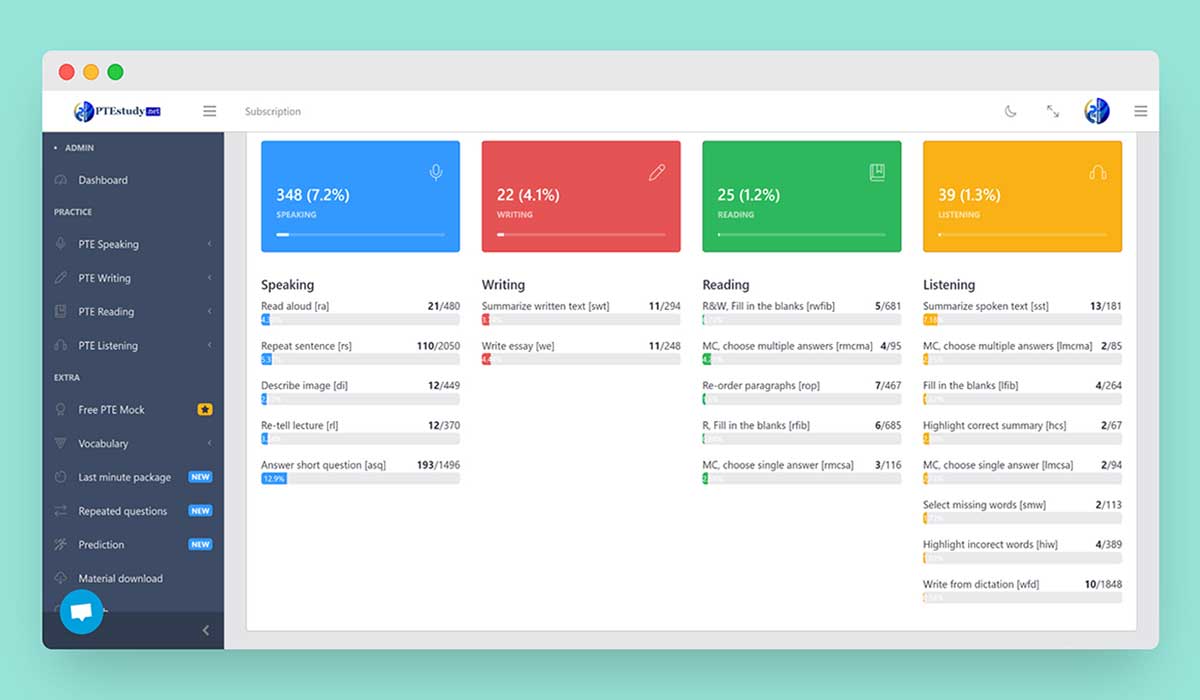
Weekly Performance evaluation

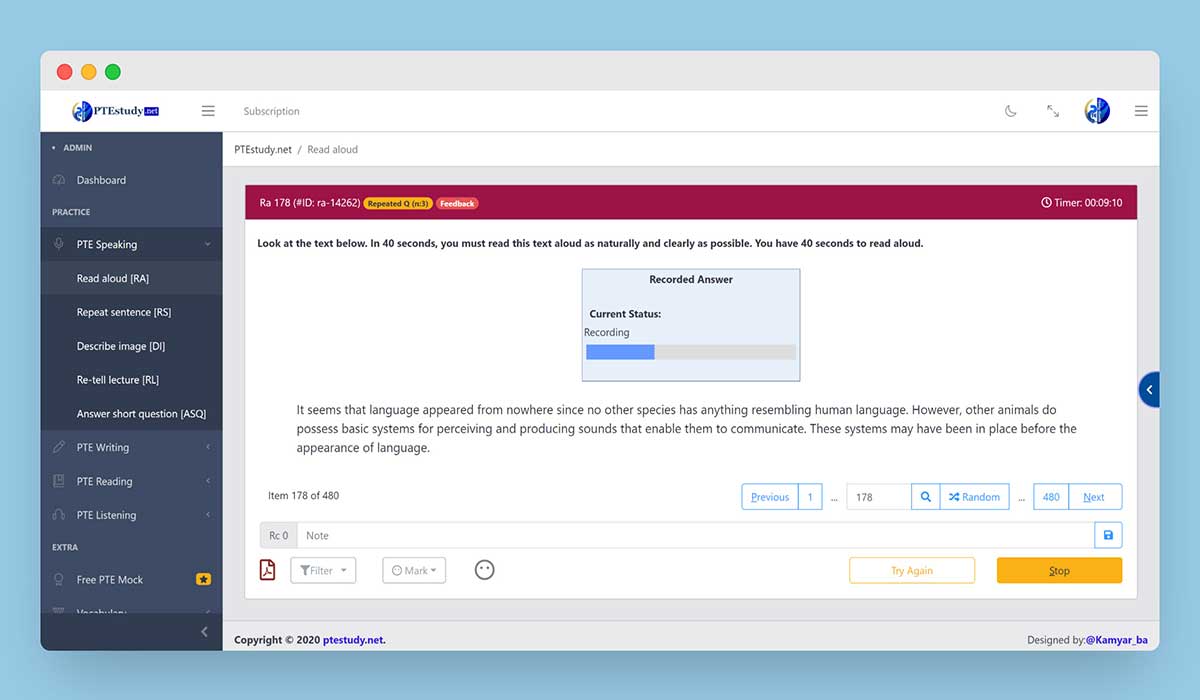
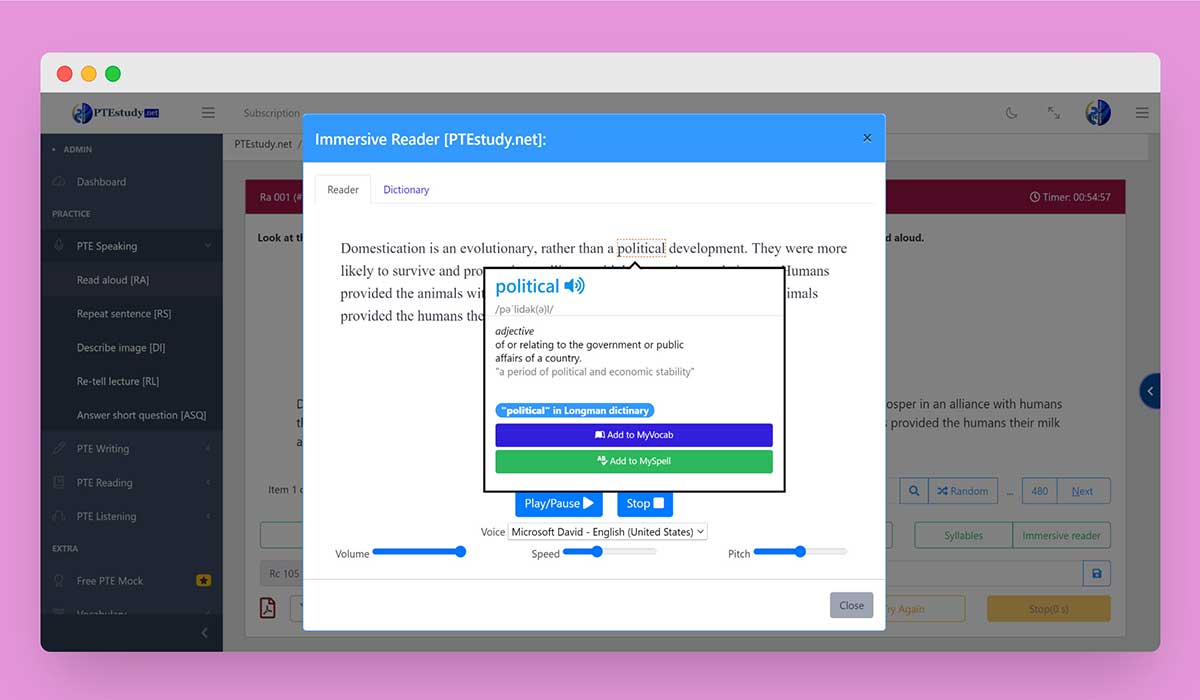
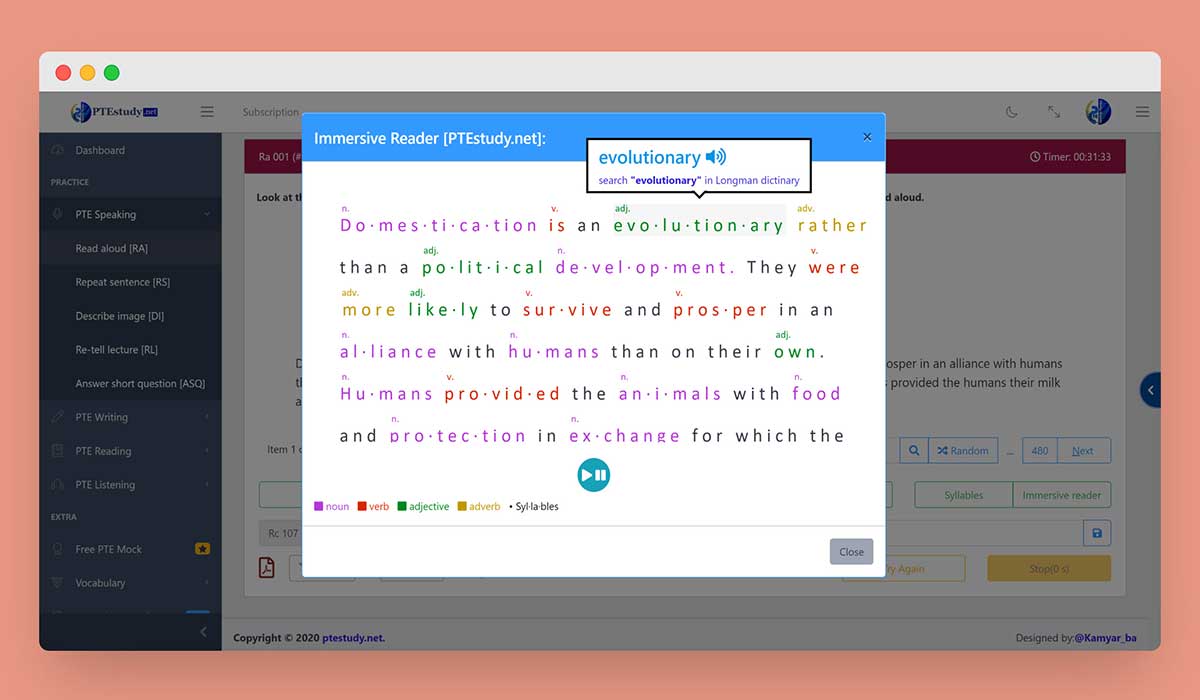
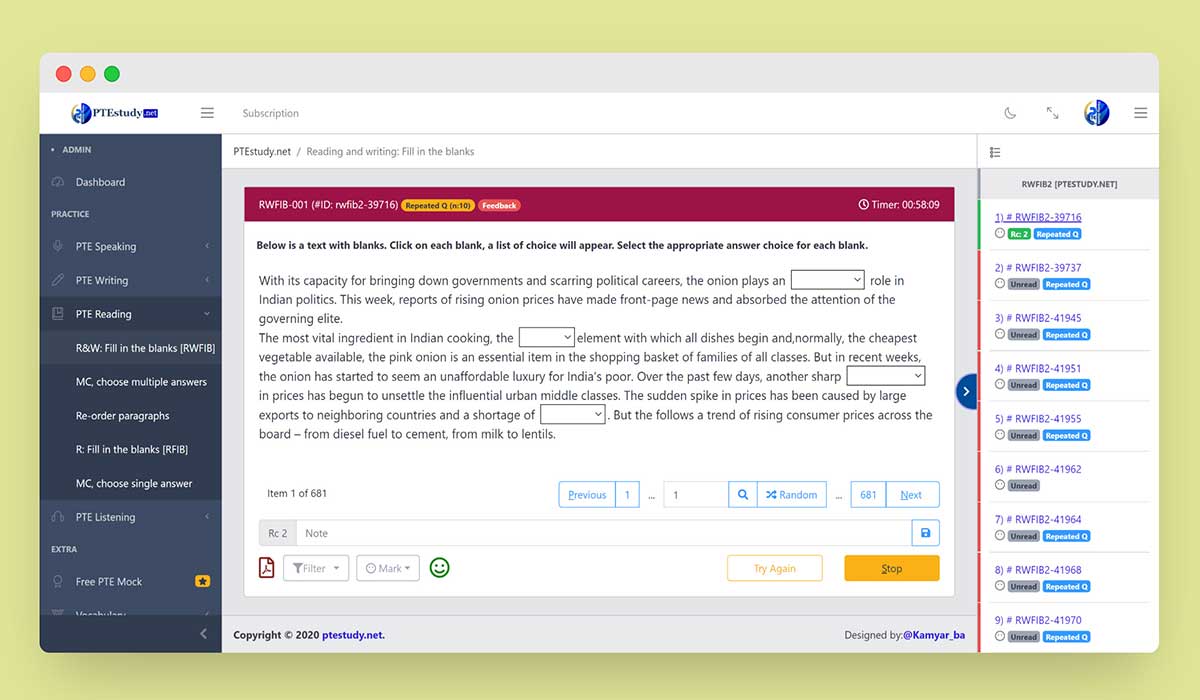
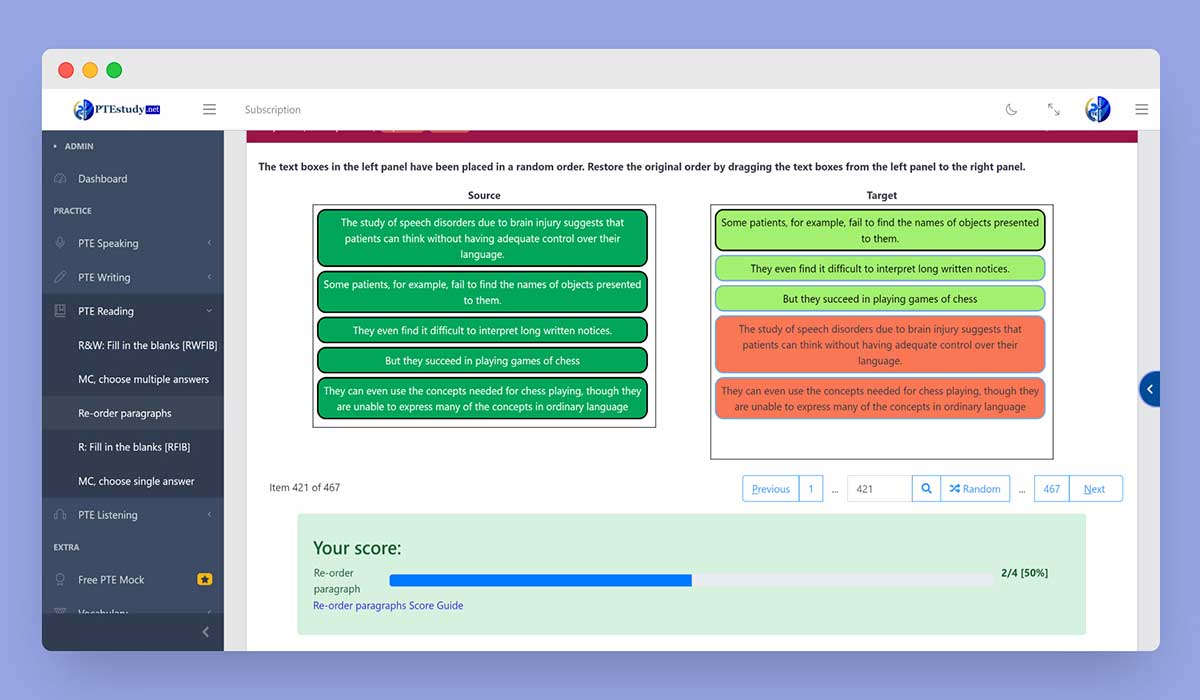
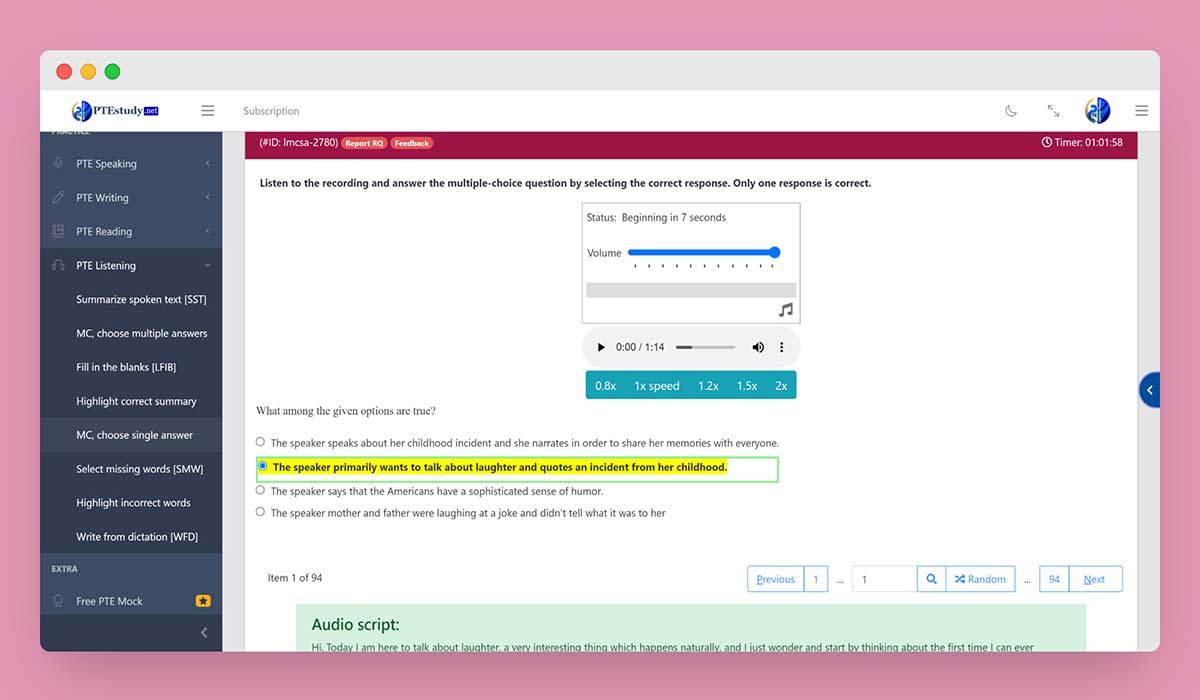
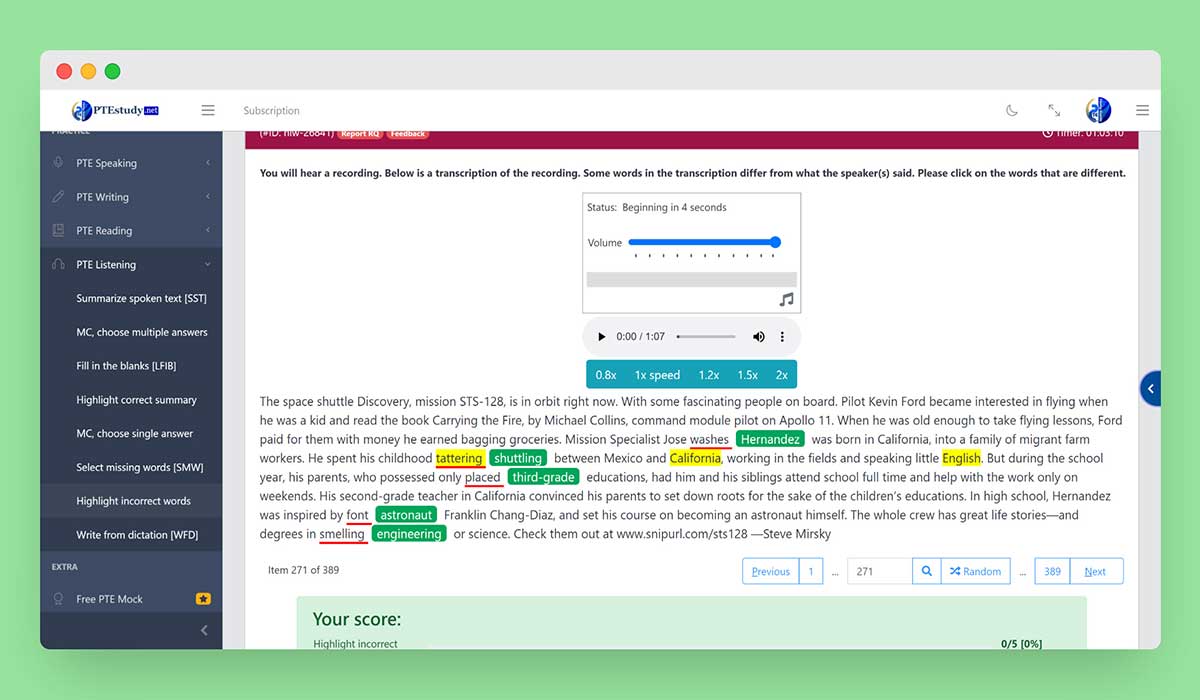
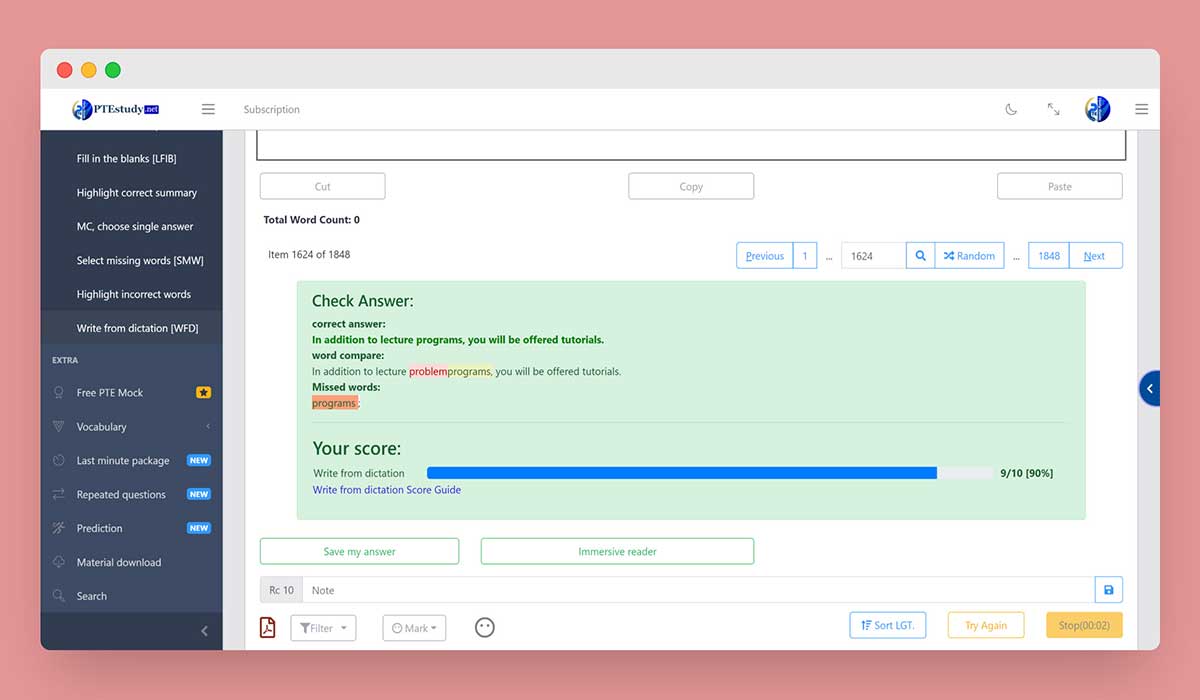

There are three major English proficiency tests, IELTS, TOEFL, and PTE. Here we are comparing the most popular English language tests.
Read more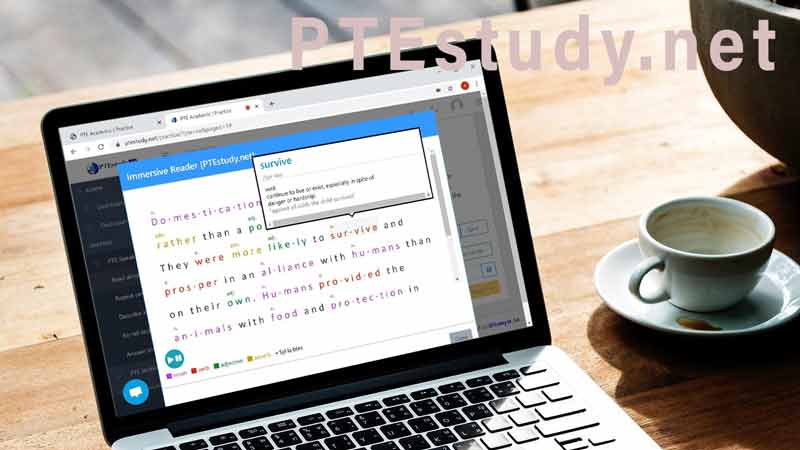
Best Tips to help you score 79+ in all sections of PTE! All you need is to keep on practicing for the sections in which you are weak.
Read more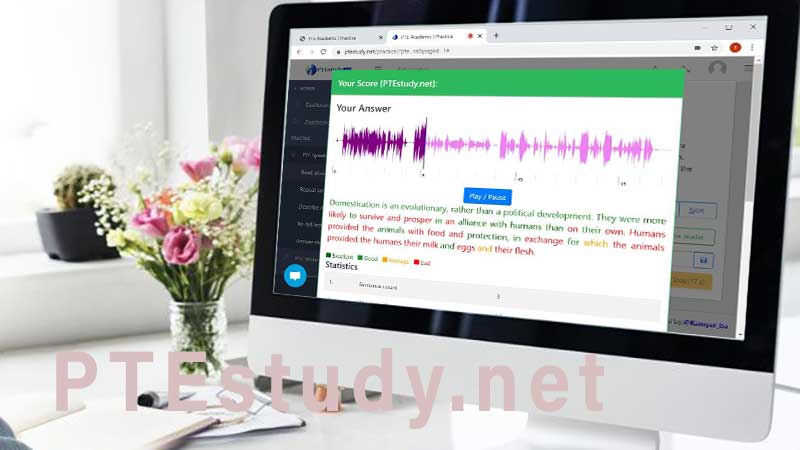
PTE Exam format will divide the test into three parts which are listening, reading, and writing & speaking.
Read moreA profound shift in mood and tonality. This movement is famous for its "hymn-like" beauty and deep emotional weight, standing in stark contrast to the agitation of the first movement.
The "Rider" theme returns here with even more intensity. It is a tour de force of rhythmic drive and technical agility, eventually concluding in a spirited G major. Why It Matters string_quartet_in_g_minor_op_74_no_3_hob_iii74_...
This work marks Haydn's transition from writing for private aristocratic salons to writing for a paying public audience, leading to "bigger" sounds and more dramatic effects. A profound shift in mood and tonality
The choice of E major for the second movement—a key very distant from G minor—was considered highly adventurous and "modern" for the late 18th century. It is a tour de force of rhythmic
A more lighthearted, dance-like movement. The "Trio" section returns to the darker G minor, maintaining the work's overall tonal tension.
The movement begins with a dramatic, unison introduction followed by the "galloping" main theme. It is characterized by its restless energy and frequent shifts between G minor and G major.
The nickname "The Rider" comes from the galloping rhythm of the outer movements, which evokes the image of a horseman in motion. Unlike many of Haydn's earlier quartets, Op. 74 was designed for public performance in large London concert halls, resulting in a more orchestral, brilliant, and virtuosic style. Structure and Movements The quartet follows the standard four-movement structure: