: Using the .apply() method for more complex logic. For example, if you are mapping functions to specific columns, developers on Stack Overflow suggest using a dictionary to map column names to functions for cleaner code.
Feature engineering involves creating a new column based on existing data. Common methods include:
Could you clarify the or the type of data (e.g., sales, images, text) contained in your zip file so I can provide a tailored feature engineering snippet?
Use a library like pandas to read the data after unzipping. If the file contains a CSV, you can load it directly:
How to concisely create new columns as output from a zip function?
import pandas as pd import zipfile # Extracting the file with zipfile.ZipFile('nikitanoelle16.zip', 'r') as zip_ref: zip_ref.extractall('data_folder') # Loading the dataset df = pd.read_csv('data_folder/dataset_name.csv') Use code with caution. Copied to clipboard Step 2: Create a Feature
import numpy as np # Creating a new feature to handle skewed data df['log_feature'] = np.log1p(df['existing_column']) Use code with caution. Copied to clipboard
: Combining two columns (e.g., df['total_cost'] = df['price'] * df['quantity'] ).
Using VerbAce-Pro
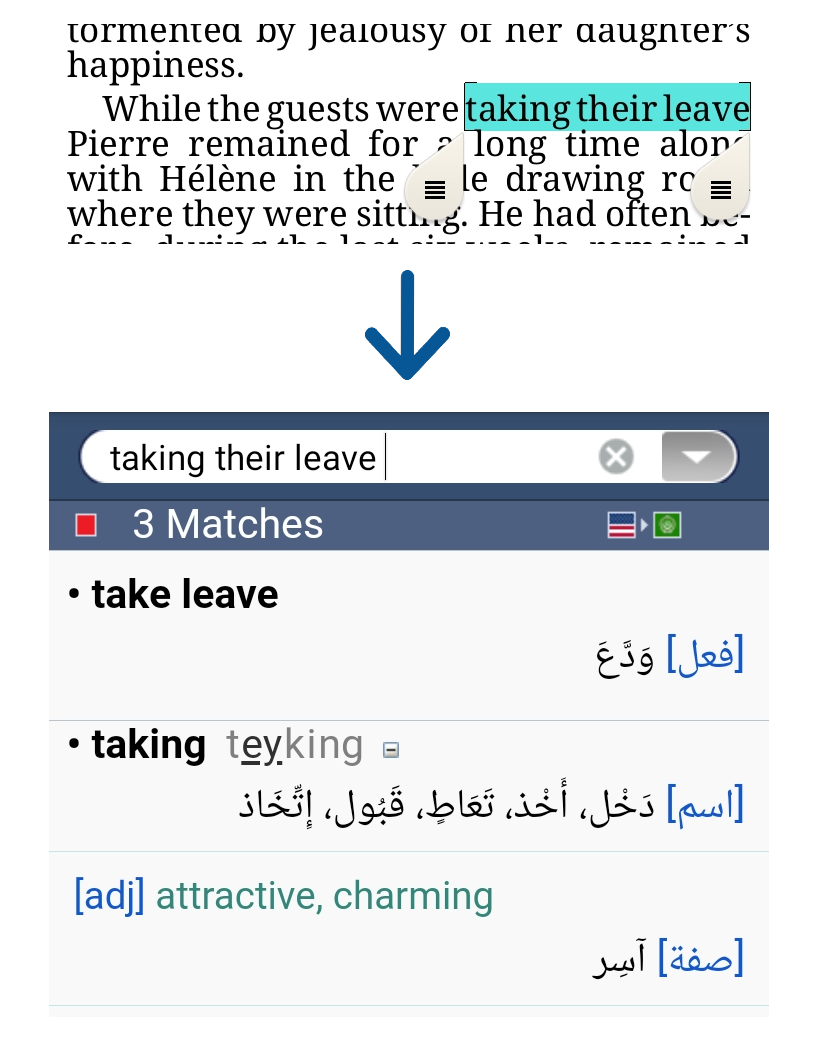
To use VerbAce-Pro just click on the word you want to translate, and the VerbAce-Pro results window will pop up with the trasnslation you need.
VerbAce-Pro captures and translates words and phrases from most Windows applications.
You can also pass the mouse over words and obtain quick translation via the Micro Window, or search for words by typing them in the term box.
Dictionary Features
|
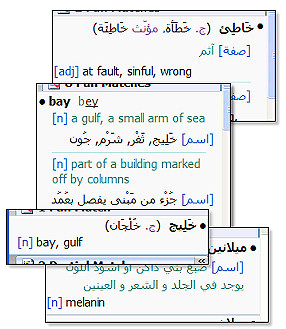
Arabic broken plural and feminine forms | |
|
English usage indications | |
|
English broken plural forms | |
|
Entries sub-meanings (when applicable) | |
|
Many technical fields covered (Medicine, Anatomy, Law, Computing, Finance, and more) |
Advanced Morphological Engine
VerbAce-Pro morphological engine can analyze complex word formations and display the relevant dictionary entries.
The engine also detects and shows the form number of Arabic verbs.
: Using the .apply() method for more complex logic. For example, if you are mapping functions to specific columns, developers on Stack Overflow suggest using a dictionary to map column names to functions for cleaner code.
Feature engineering involves creating a new column based on existing data. Common methods include:
Could you clarify the or the type of data (e.g., sales, images, text) contained in your zip file so I can provide a tailored feature engineering snippet? nikitanoelle16.zip
Use a library like pandas to read the data after unzipping. If the file contains a CSV, you can load it directly:
How to concisely create new columns as output from a zip function? : Using the
import pandas as pd import zipfile # Extracting the file with zipfile.ZipFile('nikitanoelle16.zip', 'r') as zip_ref: zip_ref.extractall('data_folder') # Loading the dataset df = pd.read_csv('data_folder/dataset_name.csv') Use code with caution. Copied to clipboard Step 2: Create a Feature
import numpy as np # Creating a new feature to handle skewed data df['log_feature'] = np.log1p(df['existing_column']) Use code with caution. Copied to clipboard Common methods include: Could you clarify the or
: Combining two columns (e.g., df['total_cost'] = df['price'] * df['quantity'] ).
Made with Mobirise web themes