Happily Ever After? A Realistic Look At Cinderella And Her Handsome Prince -

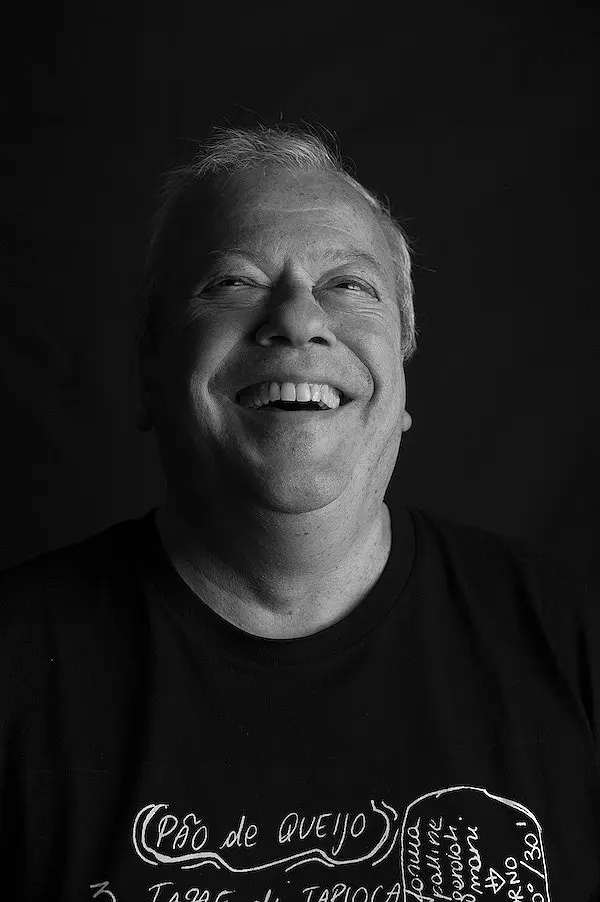
immagine per Paolo Di Paolo In concorso con:
2024: Romanzo senza umani, Feltrinelli

Paolo Di Paolo è nato nel 1983 a Roma. Ha pubblicato i romanzi Raccontami la notte in cui sono nato (2008), Dove eravate tutti (2011 Premio Mondello e Super Premio Vittorini), Mandami tanta vita (2013 finalista Premio Strega), Una storia quasi solo d’amore (2016), Lontano dagli occhi (2019 Premio Viareggio-Rèpaci), tutti nel catalogo Feltrinelli e tradotti in diverse lingue europee. Molti suoi libri sono nati da dialoghi: con Antonio Debenedetti, Dacia Maraini, Raffaele La Capria, Antonio Tabucchi, di cui ha curato Viaggi e altri viaggi (Feltrinelli 2010), e Nanni Moretti. È autore di testi per bambini, fra cui La mucca volante (2014 finalista Premio Strega Ragazze e Ragazzi) e I Classici compagni di scuola (Feltrinelli 2021), e per il teatro. Scrive per «la Repubblica» e per «L’Espresso».

foto di Matteo Casilli

Happily Ever After? A Realistic Look At Cinderella And Her Handsome Prince -

Frederick looked at her, truly seeing the callouses on her hands that the palace lotions couldn't quite erase. He realized that the very grit that had allowed her to survive her stepmother was what the kingdom actually needed.

This was their recurring rhythm. Ella, who had spent years managing a household under duress, saw the kingdom as a series of logistics, broken fences, and hungry people. Frederick saw it as a backdrop for a very long, very pleasant party.

Six months after the glass slipper fit, the "happily ever after" had hit the wall of royal reality. Prince Charming—whose name was actually Frederick—wasn't a villain; he was just a man who had never had to pour his own water or make a single difficult decision. Frederick looked at her, truly seeing the callouses

The transition wasn't just hard for her; it was a scandal for the court. The Grand Duke constantly reminded Ella that "refined ladies" didn't spend their afternoons in the royal stables talking to the grooms about horse feed. Her stepsisters, now desperate for invitations, whispered that she smelled like soot the moment she stepped out of a silk gown.

“Frederick,” Ella said one morning, over a breakfast of poached eggs she wasn't allowed to cook herself. “The roof in the south village is still leaking from the spring storms. We talked about the masonry budget.” Ella, who had spent years managing a household

It wasn't magic, but for the first time, the life Ella lived was actually hers.

She didn't run away this time. She didn't leave a shoe. Instead, she waited until the guests cleared and sat Frederick down in the quiet, drafty throne room. There were arguments over taxes

They didn't live in a fairytale after that. They lived in a bureaucracy. There were arguments over taxes, long nights of paperwork, and the occasional public spat. But when they walked through the gardens now, they didn't just talk about the flowers—they talked about the irrigation.


Frederick looked at her, truly seeing the callouses on her hands that the palace lotions couldn't quite erase. He realized that the very grit that had allowed her to survive her stepmother was what the kingdom actually needed.

This was their recurring rhythm. Ella, who had spent years managing a household under duress, saw the kingdom as a series of logistics, broken fences, and hungry people. Frederick saw it as a backdrop for a very long, very pleasant party.

Six months after the glass slipper fit, the "happily ever after" had hit the wall of royal reality. Prince Charming—whose name was actually Frederick—wasn't a villain; he was just a man who had never had to pour his own water or make a single difficult decision.

The transition wasn't just hard for her; it was a scandal for the court. The Grand Duke constantly reminded Ella that "refined ladies" didn't spend their afternoons in the royal stables talking to the grooms about horse feed. Her stepsisters, now desperate for invitations, whispered that she smelled like soot the moment she stepped out of a silk gown.

“Frederick,” Ella said one morning, over a breakfast of poached eggs she wasn't allowed to cook herself. “The roof in the south village is still leaking from the spring storms. We talked about the masonry budget.”

It wasn't magic, but for the first time, the life Ella lived was actually hers.

She didn't run away this time. She didn't leave a shoe. Instead, she waited until the guests cleared and sat Frederick down in the quiet, drafty throne room.

They didn't live in a fairytale after that. They lived in a bureaucracy. There were arguments over taxes, long nights of paperwork, and the occasional public spat. But when they walked through the gardens now, they didn't just talk about the flowers—they talked about the irrigation.

Le votazioni sono chiuse

Puoi consultare il calendario per conoscere le prossime scadenze: se non trovi le indicazioni puoi richiederci direttamente le informazioni che ti servono.