The sniper often occupies a gray area in military ethics. They are viewed simultaneously as elite protectors and "hidden" threats. Essayists often point out that the sniper’s greatest weapon is not the rifle, but the fear of the unknown. When playing these roles, users are forced to confront the voyeuristic nature of the scope—watching a target's routine before ending it. This highlights the "warrior" versus "ghost" duality: the struggle to maintain one's humanity while operating as a precision instrument of a larger machine.
The "v1.2" in your file title hints at the iterative nature of these simulations. As technology improves, the line between game and reality blurs. High-fidelity scopes and realistic physics engines don’t just make the game harder; they emphasize the clinical, almost detached nature of modern long-range engagement. This distance creates a paradox: the sniper is intimately involved in the target's world through a high-powered lens, yet remains physically and emotionally removed from the consequences of the action. File: Sniper.Ghost.Warrior.v1.2.zip ...
The most striking element of sniping gameplay is the forced deceleration of time. Players must account for ballistics that go beyond simple aiming; wind speed, bullet drop, and even the protagonist's heart rate become active variables. This mirrors a broader philosophical shift: success is not measured by reflexes, but by the ability to wait. In an era of instant gratification, the digital sniper must find satisfaction in the "ghost" aspect—moving through an environment unseen and engaging only when the variables align perfectly. The sniper often occupies a gray area in military ethics
%20(8).jpg)
Start Ashtanga yoga with these 10 easy beginner-friendly poses. Clear instructions, modifications, and benefits. No experience needed - practice today!

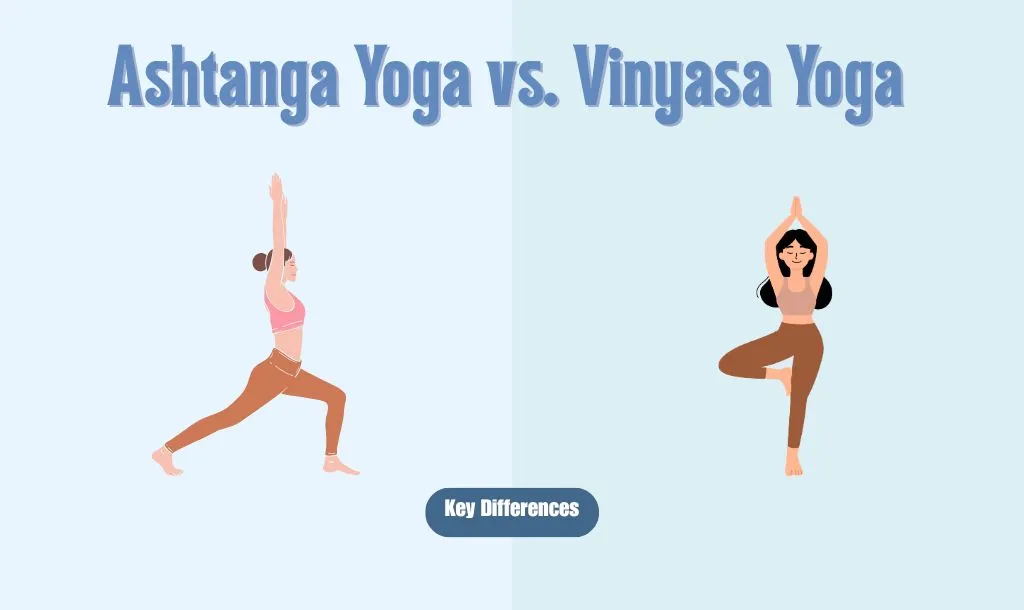
Ashtanga vs. Vinyasa yoga: Learn how these yoga styles differ in flow, structure, and philosophy. Find the perfect fit for your journey and goals!
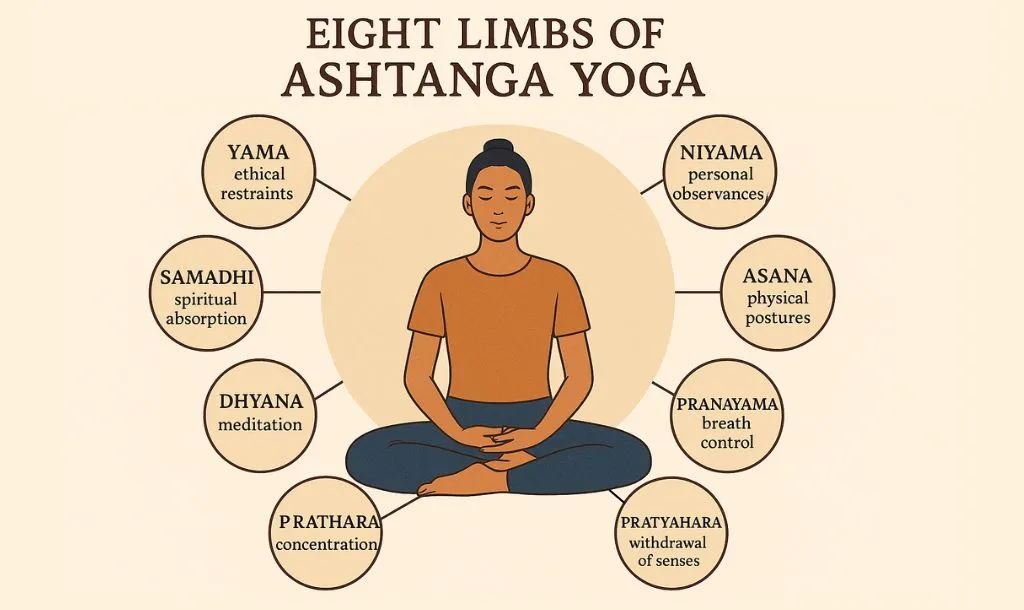
Discover the 8 limbs of Ashtanga Yoga from Patanjali's ancient wisdom. Learn each limb's meaning and how to apply it in modern practice. Start your journey today!


© Copyright 2025 MyYogaTeacher Inc