LOADING SEARCH RESULTS
Loading for more accurate data retrieval
WHAT'S NEW
NEW PRODUCT
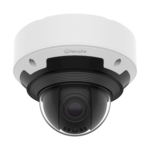
PNV-A7082RZ
4MP AI Outdoor Vandal Dome Camera
NEW PRODUCT
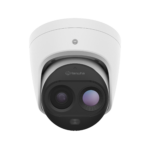
TNM-C2712TDR
Early Fire Detection Bi-spectrum Thermal Camera
: They use tentacles armed with specialized stinging cells called nematocysts to capture prey, ranging from plankton to small fish.
: Unlike many other cnidarians (such as jellyfish), Actinozoans do not have a medusa (free-swimming) stage in their life cycle. They remain as polyps throughout their lives. actinozoa
: While sea anemones are typically solitary, many Actinozoans (like reef-building corals) form massive colonies of interconnected clones. Classification : They use tentacles armed with specialized stinging
: The body consists of a central gastrovascular cavity divided by vertical partitions called mesenteries or septa. These mesenteries increase the surface area for digestion and support the gonads. : While sea anemones are typically solitary, many
: Includes soft corals, sea pens, and sea fans. They strictly possess eight branched (pinnate) tentacles and eight mesenteries. Ecological Importance
(now more commonly known as the class Anthozoa ) is a major group of marine invertebrates within the phylum Cnidaria . This class includes well-known sea creatures like sea anemones, stony corals, soft corals, and sea fans. Key Characteristics
